7 Fascinating Reasons We Need Strawberries: The Science of Wellness
Home
 Blog
Health
Natural Remedies
7 Fascinating Reasons We Need Strawberries: The Science of Wellness
Blog
Health
Natural Remedies
7 Fascinating Reasons We Need Strawberries: The Science of Wellness


Strawberries are far more than a staple of summer desserts; they are complex biological powerhouses that offer profound physiological benefits. From improving cardiovascular health to providing rich antioxidants, these vibrant berries provide a dense concentration of micronutrients that contribute to a long, healthy life.
These little red fruits are nutritional powerhouses, packed with fiber, vitamins, and antioxidants that have a measurable impact on your physiological health. Below, we provide an exhaustive look at the science behind strawberries, offering the clinical data that supports heir place n any healthy, balanced, and longevity-focused diet.
Key Takeaways
- High Vitamin C Content: One serving provides over 100% of the daily recommended intake to support immunity and skin.
- Heart Protection: Anthocyanins in strawberries improve blood vessel dilation and lower markers of inflammation.
- Glycemic Control: High fiber content prevents rapid blood sugar spikes, making them safe for metabolic health.
- Genetic Support: Rich in folate, they are essential for DNA synthesis and healthy fetal development.

1. The Ultimate Antioxidant Defense System
There has been an extensive amount of research into what makes strawberries so healthful, specifically regarding the micronutrients contained within these tasty fruits. Strawberries are an exceptional source of bioactive phenolic acids, anthocyanins, and flavonoids. These compounds act as the body’s internal security system.
The phenolic compounds found in strawberries have antioxidant properties which can reduce systemic oxidative stress. Free radicals are unstable atoms that can damage cells, causing illness and aging. By neutralizing these, strawberries act as a primary defense against cellular degradation.
On a molecular level, these antioxidants may help protect DNA from damage related to oxidative stress. Emerging research indicates that the phytonutrients in strawberries can influence genetic pathways , related metabolism and antioxidant enzymes. This means that eating strawberries doesn’t just provide a temporary boost; it actually helps program your cells for better performance and resilience against oxidative damage.
2. Immune Resilience and Vitamin C
When it comes to supporting the immune system, vitamin c plays a vital role in immune support. Strawberries are a premier source; a single cup contains all the Vitamin C the average adult requires in a day—approximately 90mg for men and 75mg for women.
According to the Harvard T. Chan School of Public Health, Vitamin C is a potent antioxidant that stimulates the production of white blood cells (lymphocytes and phagocytes), which help protect the body against infection. Getting more Vitamin C is important to support immune system functioning to aid in protection from disease, infection, and illness.
Vitamin C also acts as a barrier by strengthening the skin’s defense system. As is well-established, maintaining vitamin C intake supports immune defenses and may shorten the duration period of common colds. . Because the body cannot synthesize Vitamin C and can only store limited amounts, regular consumption of fresh foods, like strawberries, is a strategic way to maintain adequate levels.

3. Cardiovascular Performance and Heart Health
Strawberry consumption has been associated with improvements in cardiovascular markers, including inflammation related measures. Some studies demonstrate eating strawberries may reduce markers of inflammation—such as C-reactive protein (CRP)—that both signal and contribute to cardiovascular disease.
The flavonoids and anthocyanins that give strawberries their red hue are associated with supporting endothelium (the lining of blood vessels) function through nitric related pathways. Nitric oxide is a signaling molecule that dilates blood vessels, which:
- Improves Blood Flow: Enhances oxygen delivery to vital organs.
- Inhibits Inflammation: Reduced inflammation may lower risk factors associated with plaque formation in the cardiovascular system.
- Optimizes Cholesterol: May reduce lipid and glucose markers.
Furthermore, strawberries also provide potassium, the mineral that works alongside sodium to maintain a healthy fluid balance in your body. High levels of potassium in your diet act as a buffer to prevent sodium from triggering water retention. By facilitating the excretion of excess sodium through urine, strawberries can help maintain healthy blood pressure levels and decrease the risk of hypertension.
4. Metabolic Health and Blood Sugar Regulation
A common misconception is that the natural sugars in fruit are detrimental to blood sugar control. However, strawberries contain natural sugars and fiber. The fiber content acts as a physical barrier that slows down the sugar absorption rate in the small intestine, making these berries an excellent source of energy that’s known for it’.
Recent clinical studies suggest that strawberries may even improve insulin resistance and cardiometabolic markers in adults at risk for diabetes. Some studies suggest strawberries may modestly improve glucose metabolism post-meal when combined with carbohydrate-containing foods . By managing these blood sugar levels, you reduce your risk cardiometabolic diseases when combined with a healthy lifestyle
Polyphenols in strawberries may contribute to slower carbohydrate digestion as observed in some laboratory studies . This enzymatic inhibition ensures a more stable, gradual release of energy rather than a metabolic “crash.”
5. Dermatological Vitality: Collagen and UV Protection
The high concentration of Vitamin C in strawberries is essential for the synthesis of collagen, the primary structural protein that keeps your skin fresh, healthy, and elastic. Some research suggests dietary Vitamin C improves skin health boosting collagen and skin thicknessl Furthermore, strawberries contain ellagic acid, a polyphenol antioxidant that provides secondary protection against external stressors. Ellagic acid has been shown to:
- Reduce Inflammatory Response: Ellagic acid has demonstrated anti-inflammatory responses in experimental research.
- Prevent Collagen Destruction: Lab studies suggest ellagic acid may influence pathways related to collagen degradation.
- UV Protection: Some studies show ellagic acid may protect against UV radiation.
When you consume strawberries as part of your diet the ellagic acid and Vitamin C work in tandem to improve skin health and combat the visible signs of aging.

6. Anti-Cancer Properties
It turns out strawberries contain compounds which may have properties thanks to the many antioxidants they contain. Studies have found that strawberries (and other berries) antioxidants can reduce the oxidative stress that linked to cancer risk factors.
Specifically, the epigatannins and ellagic acid found in berries demonstrate anti-carcinogenic properties.. In laboratory studies they have been shown to:
- Inhibit the growth of tumor cells.
- Induce apoptosis (programmed cell death) in cancerous cells.
- Influence angiogenesis pathways which tumors need to grow.
These properties make strawberries a valuable dietary addition for long-term health and the prevention of chronic disease development at the molecular level.
7. Prenatal Development and Folate
For expectant mothers, strawberries are a nutritious whole-food that contributes beneficial vitamins. They are a natural source of folate (Vitamin B9), which is recommended for pregnant women to encourage better maternal and infant health. A single serving provides approximately 21 mcg of this vital B-vitamin.
Folate is critical for:
- DNA Synthesis: Ensuring correct genetic copying during rapid cell growth.
- Neural Tube Development: Aiding in the healthy development of the infant’s spinal cord and brain.
- Prevention of Birth Defects: Reducing the risk of serious developmental issues in the early stages of pregnancy.
Adding strawberries into your daily diet can help contribute towards meeting l micronutrient requirements for both yourself and your baby’s healthy development.
Fresh or Frozen Strawberries: Which is Better?
When discussing strawberry benefits, a common concern is the method of preservation. Research into nutrient stability shows that the nutritional profile remains comparable t between fresh or frozen strawberries.
- Fresh Strawberries: These are ideal when consumed in season and locally. However, Vitamin C levels may decrease over time depending on conditions the fruit is stored. If fresh berries sit in a grocery store for a week, they may actually have lower nutrient density than their frozen counterparts.
- Frozen Strawberries: These are usually flash-frozen at the peak of ripeness, which “locks in” the vitamins and antioxidants. Frozen berries retain similar or higher levels of folate and Vitamin C. Storage and Handling: To preserve the phytochemicals in varieties like Red Rhapsody, it is best to store berries in a cool, dark environment and avoid washing them until you are ready to eat them, as moisture promotes mold and nutrient loss.

In conclusion, the clinical evidence suggests that strawberries are a vital component of a disease-preventative lifestyle. By providing a dense concentration of vitamin c, fiber, and unique polyphenols like ellagic acid, they offer a multifaceted approach to health that includes cardiovascular protection, metabolic regulation, and cellular repair. Whether you choose fresh or frozen strawberries, integrating these berries into your daily diet contributes to supporting a healthy immune system and healthy aging when combined with an overall balanced diet
As strawberries demonstrate, supporting the body at a cellular level begins with reducing oxidative stress and maintaining efficient internal balance. However, antioxidants are only one side of the equation. For the body to fully benefit from these compounds, it must also effectively process and eliminate metabolic waste, environmental toxins, and byproducts of cellular activity. This is where the body’s detoxification systems—particularly the liver and kidneys—play a central role. While a nutrient-rich diet lays the groundwork, supporting these pathways can further enhance the body’s ability to maintain clarity, resilience, and long-term health.
To further support your liver and assist your natural detox pathways, you should consider herbal supplementation. We partnered with environmental toxin specialists and supplement formulators to create the best formula on the market that supports your liver and kidneys detox organs in a safe way – it’s called Restore Detox.
How does it work? We selected the most potent 6 detoxifiers, which have been used for centuries.

Click here to learn more about Restore Detox and find out how it can change your future for the better by boosting your body’s natural detoxification pathways and helping you to live your best, youngest, and healthiest life!
Frequently Asked Questions
How many strawberries should I eat daily? A standard serving is about one cup (approximately 8 large strawberries). Consuming this daily provides the full requirement of Vitamin C and a significant dose of beneficial fiber for most adults. It is worth adding a serving or two into your diet to support long-term health as part of a healthy diet s.
Are strawberries high in sugar? While they contain natural fructose, strawberries are considered a low-sugar fruit. Their high fiber and water content mean they have a minimal impact on blood sugar compared to processed snacks or higher-sugar fruits. They are excellent for boosting energy without triggering spikes.
Can strawberries help with weight loss? Yes. Because they are low in calories but high in water and fiber, they promote satiety (the feeling of fullness). Additionally, the compounds in strawberries may help manage insulin, which is a key factor in how the body stores fat.
Do frozen strawberries lose their nutrients? No. In many cases, frozen strawberries retain similar levels or sometimes more Vitamin C and antioxidants than fresh berries that have been stored for extended periods.
Sources
Dietary Strawberries and Antioxidant Status
Strawberries and Insulin Resistance
Vitamin C: The Nutrition Source

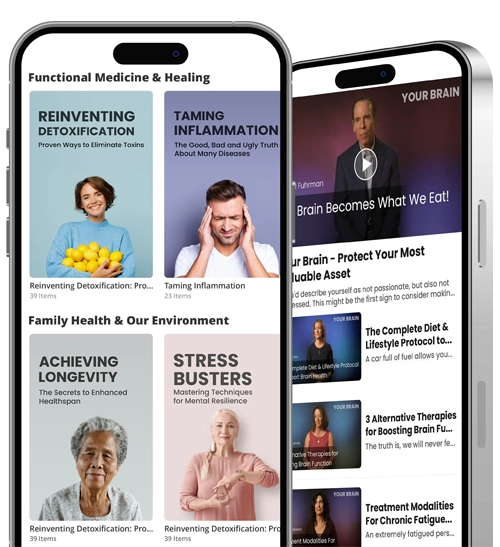
We created ZONIA because we believe that everyone deserves to be empowered with the education and tools to be healthy and happy. Zonia's original videos and personalized transformation programs by our health & wellness experts will help you achieve this mission. Click on the button below to get started today:


join zonia now
We are about to change your life forever! By joining ZONIA you will get an instant access to 500+ original short-form videos across 25+ original shows that present groundbreaking information and practical daily actions that will empower you to transform your life. Join thousands others and become Zonia member today!